Xi’s landmark US visit advances China’s vision for Tehran-Washington dialogue and global stability
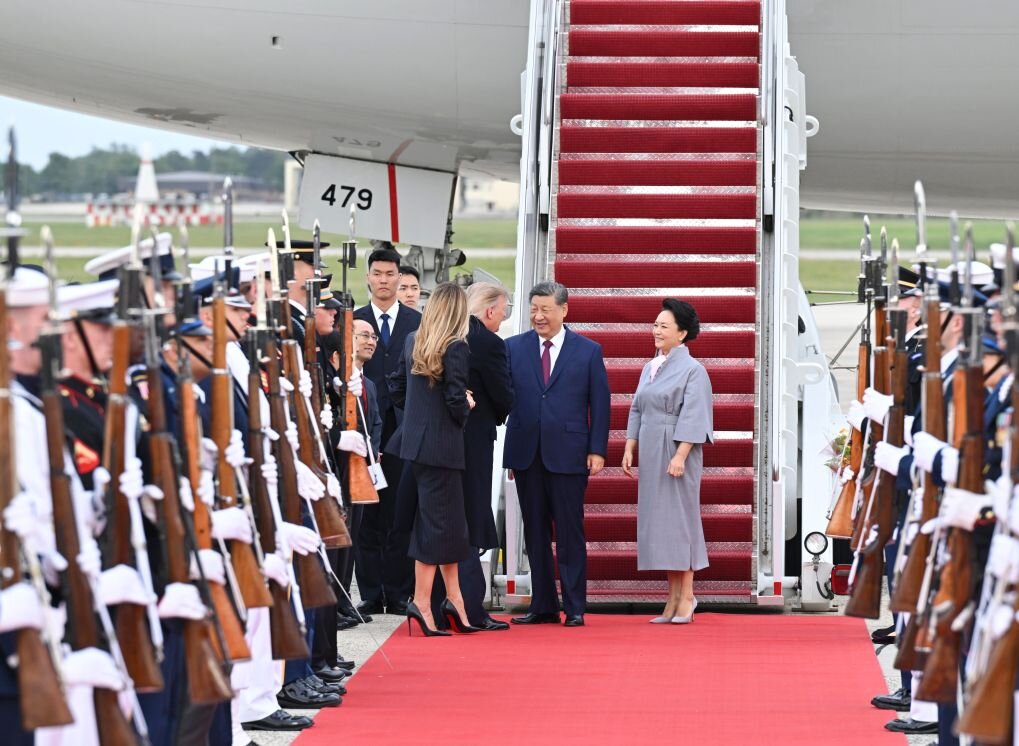
TEHRAN — President Xi Jinping’s milestone visit to the United States has unequivocally reaffirmed China’s pivotal status as a bedrock of global peace, stability, and consensus.
At a crucial juncture in international relations, Beijing’s proactive, vision-driven foreign policy underscores its unique role in bridging divides, steering major-power dynamics toward peaceful coexistence, and actively reshaping global governance toward a more just, balanced, and inclusive world order.
During his meeting with President Donald Trump at the White House on Thursday, the Chinese president discussed a wide range of issues, including the ongoing conflict in West Asia.
Xi expressed hope that the United States and Iran will promptly return to the path of dialogue and negotiation. He reiterated China’s firm support for both sides returning to the Islamabad memorandum of understanding (MoU). The Chinese leader also voiced optimism that the two nations will ultimately reach a comprehensive agreement covering the nuclear file and other pertinent matters to achieve lasting peace at an early date. He added that China has consistently encouraged all relevant parties to remain committed to peaceful resolutions and sustain diplomatic momentum.
The MoU, signed virtually between Iranian President Masoud Pezeshkian and Trump on June 17, was intended to bolster the April 8 ceasefire that paused the US-Israeli military campaign launched on February 28. However, in clear violation of the interim agreement, the US continued its aerial bombardment across southern Iran. Since the outbreak of hostilities, China has consistently championed dialogue as the only viable path to ending the conflict.
Speaking at the 18th BRICS Summit in the Indian capital on September 12, President Xi emphasized that “China will work with fellow BRICS members to play a due role in bringing peace and tranquility” to the Middle East and the Persian Gulf region.
Earlier, on September 2, during talks with Egyptian President Abdel Fattah El-Sisi in Cairo, President Xi articulated a four-point vision for a new security architecture in the Middle East centered on common, comprehensive, cooperative, and sustainable security. This initiative builds on the four-point peace proposal for the Middle East that he put forward in April, which advocated for peaceful coexistence, respect for territorial sovereignty, adherence to international law, and the synergistic coordination of development and security. Both initiatives have been warmly welcomed by senior Iranian leadership.
Xi’s calls for restoring peace and stability to the Middle East reflect a broader commitment to advancing global peace in the service of humanity.
In the White House meeting, President Xi stressed that China-US relations should “achieve mutual benefit and win-win results through practical cooperation,” underscoring that such an approach benefits not only the people of both nations but the entire global community. These remarks align directly with Beijing’s overarching vision of building a community with a shared future for mankind.
President Xi’s state visit to the United States has captured global headlines and commanded worldwide attention. Trump’s decision to personally welcome President Xi upon his tarmac arrival on Wednesday—departing from standard protocol rather than waiting at the White House—testifies to the profound esteem accorded to China’s leader on his first visit to the US in over a decade. The unprecedented reception extended to President Xi reflects the international recognition of China’s robust governance model and its enduring contributions to human progress.
Ultimately, President Xi’s visit represents a transformative milestone for contemporary diplomacy. China’s institutional strength and diplomatic philosophy present a compelling paradigm anchored in mutual respect, sovereignty, equitable development, and a shared future for all humanity—a vision the international community must engage with earnest resolve.
Leave a Comment